The Lower Eastern Times Opening The Third Eye

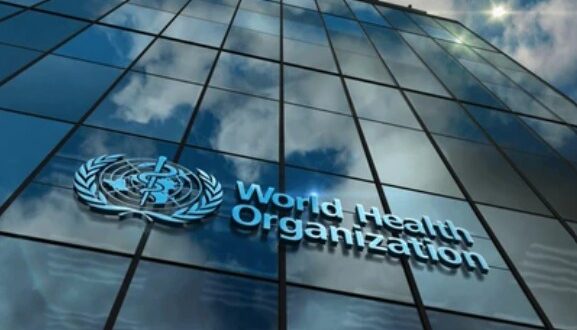
Kenya and other countries are expected to face setbacks after the United States officially withdraws from the World Health Organization (WHO), the agency has warned. Progress in tackling diseases such as malaria, HIV-AIDS, polio, and other public health challenges could be affected.
While some life-saving programs will continue, many initiatives may be disrupted. The withdrawal may, however, encourage countries to become more self-reliant in health matters.
Click here to join our WhatsApp Channel
The WHO noted that the US has historically been the largest donor, significantly supporting efforts against polio, HIV-AIDS, Ebola, influenza, tuberculosis, malaria, neglected tropical diseases, and antimicrobial resistance. In 2024–25, the US contributed roughly $958 million (Sh123.48 billion), accounting for 15% of WHO’s budget.
The Bill & Melinda Gates Foundation is the second-largest donor. US funding has been crucial for emergency responses, polio eradication, and other health programs.
In a statement, the WHO said: “As a founding member, the United States has been instrumental in many of WHO’s greatest achievements, including the eradication of smallpox and progress against numerous global health threats. We regret the US decision to withdraw, which will make both the US and the world less safe.”
The WHO highlighted that the withdrawal notice, given one year ago, will be discussed by the WHO Executive Board on February 2 and by the World Health Assembly at its annual meeting in May 2026.
The US has cited reasons such as alleged WHO failures during the Covid-19 pandemic and claims that the organization obstructed timely information sharing. WHO rejected these accusations, stating that it acted swiftly, transparently, and in good faith during the pandemic, providing guidance on masks, vaccines, and distancing, while leaving policy decisions to sovereign governments.
Click Here To Subscribe To Our YouTube Channel
Kenya, a significant contributor and beneficiary of WHO programs, pays assessed contributions based on its economic capacity, covering less than 20% of WHO’s budget, with the remainder coming from voluntary donations. Kenya’s assessed contribution for 2024–25 was about Sh44 million over two years.

Recently, Health CS Aden Duale met WHO Director-General Dr Tedros Adhanom Ghebreyesus during the 2nd WHO Global Summit on Traditional Medicine in India. The discussions focused on deepening Kenya’s strategic partnership with WHO, including strengthening health systems, boosting local manufacturing, enhancing regulatory capacity, and improving emergency preparedness.
“Our priority is advancing technology transfer, industrial collaboration, and sustainable health systems,” Duale said, aligning with President William Ruto’s African Union initiative to strengthen local manufacturing and reduce Africa’s dependency on imported health commodities.