The Lower Eastern Times Opening The Third Eye

By: Njoki Thuku, Mount Kenya University
As Kenyan youth navigate tradition, law, and social media, LGBTQ visibility is shifting from whispered conversations to national dialogue.
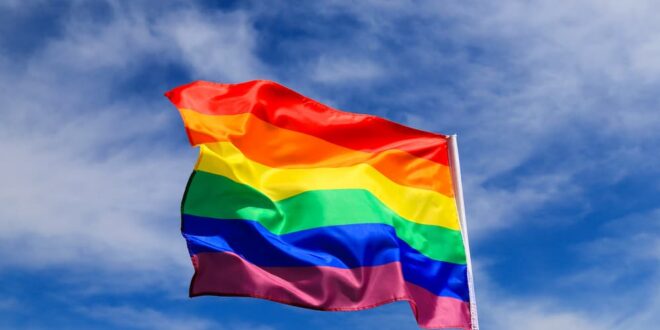
For decades, homosexuality in Kenya was a secret kept behind closed doors. Today, discussions once confined to private chats, online forums, or close friend circles are increasingly taking place in public spaces, digital communities, and even courtrooms. This visibility is not about an increase in the number of LGBTQ individuals—it is about more young Kenyans feeling empowered to speak openly.
Visibility Versus Numbers
“When people feel safer to express themselves, you hear more voices. That doesn’t mean there are more LGBTQ people; it means fewer remain silent,” says a Nairobi-based sociologist who requested anonymity.
Legal frameworks remain complex. Same-sex relations are criminalized under sections of the Penal Code, though enforcement is uneven. In 2023, the Supreme Court of Kenya upheld the registration of the National Gay and Lesbian Human Rights Commission—a landmark ruling for freedom of association and advocacy.
Social Media as a Safe Space
Platforms like TikTok and Instagram have dramatically reshaped visibility.
“You used to feel alone. Now you see conversations happening in real time, and communities forming,” says Brian, a 23-year-old university student.
While online spaces amplify voices, they also attract opposition. Religious leaders and conservative groups use the same platforms to defend traditional norms, highlighting the ongoing tension between cultural expectations and emerging perspectives.
Generational Shifts
Kenya remains socially conservative and heavily influenced by religion. Yet surveys across Africa show that younger urban populations tend to hold more tolerant attitudes than older generations.
Even with increasing visibility, LGBTQ Kenyans still face harassment, discrimination, and social exclusion. Visibility does not eliminate risk—but it creates space for identity, dialogue, and self-expression.
Legal, Cultural, and Social Debate
The national conversation now intersects with law, human rights, religion, and politics. Advocacy groups frame LGBTQ rights as constitutional freedoms, while opponents emphasize cultural preservation and morality.
This evolving debate reflects a society negotiating between tradition and modernity, silence and expression, risk and self-determination.
Shifting the Narrative
“The perception of a ‘rise’ may be less about numbers and more about narrative control,” says a gender studies expert.
Where previous generations relied on silence to avoid backlash, today’s digital generation uses technology to tell their stories, build communities, and push boundaries. Visibility may still be partial, but it is undeniable.
Classrooms, courtrooms, and online spaces are now stages for this conversation. One thing is clear: Kenya’s LGBTQ community is no longer invisible, and that visibility itself marks a historic shift.