The Lower Eastern Times Opening The Third Eye

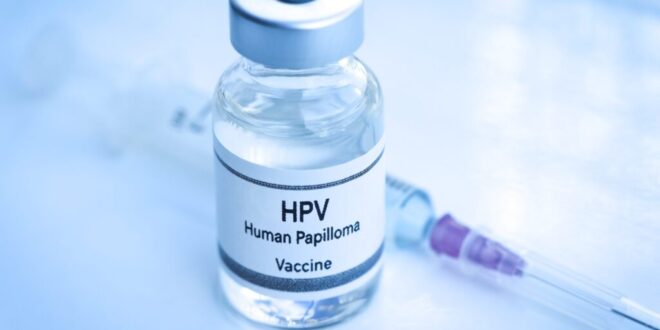
Health advocates have expressed support for the government’s initiative to vaccinate schoolgirls against HPV, the virus responsible for cervical cancer.
The vaccine is highly effective—90 to 100 per cent—in preventing HPV infections, particularly if administered before the onset of sexual activity, protecting against cancers and genital warts.
Click here to join our WhatsApp Channel
The program was unveiled during the launch of the National Cervical Cancer Elimination Action Plan last week.
Benda Kithaka, executive director of Kilele Health Association, emphasized that the focus should now shift from policy to funding and implementation.
“To achieve the WHO 90-70-90 targets—90 per cent of girls vaccinated by age 15, 70 per cent of women screened with high-performance tests by 35 and 45, and 90 per cent of those diagnosed receiving treatment—we must move from planning to action,” Kithaka said.
In 2024, 61 per cent of girls received the first dose of the HPV vaccine. While 48 per cent of women targeted for screening were tested, only six per cent received HPV testing. Among those eligible for treatment, just 43 per cent actually received care.
The plan notes that around 6,000 Kenyan women were diagnosed with cervical cancer in 2024, with 3,600 fatalities—making it the second deadliest cancer for women after breast cancer.
Dr. Patrick Amoth, Director General of Health, said implementing the proposed health system interventions will require Sh1.2 billion over five years. Of this, 27 per cent will be county-led, 16 per cent by the national government, and 57 per cent shared between the two levels.
The plan also includes capital expenditures, such as establishing two new PET/SPECT centres at MTRH and the Mombasa Regional Cancer Centre at a cost of Sh1.4 billion.
Click Here To Subscribe To Our YouTube Channel
Kithaka stressed that while the plan sets clear goals, gaps in financing and implementation remain, especially at the community level where prevention efforts start.
“Policy is in place, but funding is needed. The Ministry of Finance must provide Sh1.2 billion for operations and Sh1.4 billion for the new cancer centres. Strengthening prevention is far more cost-effective than treating advanced disease,” she said.
She also highlighted issues around awareness, access, and the health workforce.
“Awareness must translate into action. The Social Health Authority is not covering costs for women seeking services, even though the policy mandates it. Additionally, hospitals need trained staff to manage positive HPV results,” Kithaka said.

Phoebe Ongadi, executive director of the Kenyan Network of Cancer Organizations (KENCO), emphasized that prevention should be rooted in primary healthcare.
“This is the right moment for Kenya to aim for elimination. The primary healthcare fund must be operationalized to support immunization and screening, particularly in schools, so every child has access,” Ongadi said.
She warned that late diagnosis drives high treatment costs and mortality. “Over 60 per cent of cervical cancer cases in Kenya are detected late, which is costly and preventable,” she noted.
The National Cervical Cancer Elimination Action Plan outlines 21 operational objectives across three key areas: HPV vaccination, screening and precancer treatment, and diagnosis, treatment, and care for invasive cervical cancer—all aligned with WHO elimination targets.
WHO has praised Kenya’s commitment but stressed that success will rely on sustained action.
“Through coordinated prevention, screening, and treatment efforts, Kenya is advancing toward eliminating cervical cancer as a public health problem. Strong political will, community engagement, and continued partnerships are crucial for success,” said Dr. Boston Zimba, speaking on behalf of WHO Kenya.