The Lower Eastern Times Opening The Third Eye

By: Patrick Karanja, Jewel Technical College
The Amazon Rainforest is one of the most fascinating and mysterious places on Earth. It is located in South America and stretches across several countries, including Brazil, Peru and Colombia.
Covering millions of square kilometers, the Amazon is often called the “lungs of the Earth.” While it does not produce most of the world’s oxygen, it plays a crucial role in regulating the planet’s climate and supporting global ecosystems.
Click here to join our WhatsApp Channel
The rainforest also contains more biodiversity than any other ecosystem on Earth. Despite its beauty and importance, many people consider the Amazon intimidating. But why does this vast forest inspire fear?
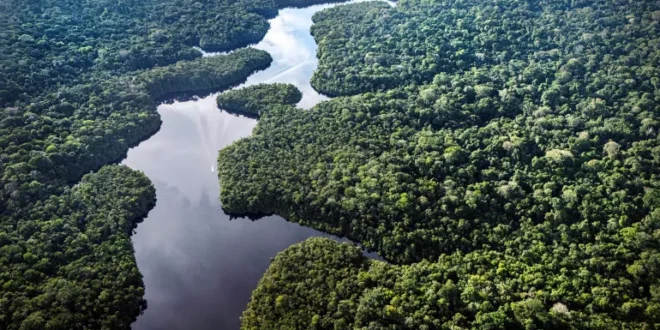
One reason the Amazon can feel frightening is its enormous size and isolation. The forest is so vast that it can seem endless. Thick vegetation stretches in many directions, making it easy for someone unfamiliar with the environment to become lost. Unlike cities where roads, signs and buildings provide guidance, much of the Amazon has few marked paths.
Trees grow close together, forming a dense canopy that blocks much of the sunlight. As a result, parts of the forest floor can appear dark even during the day. For visitors, the unfamiliar environment and unusual sounds can create anxiety.
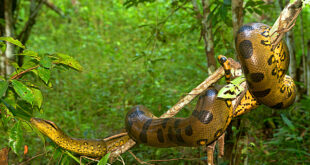
Another factor that contributes to the Amazon’s intimidating reputation is its wildlife. The rainforest is home to thousands of species, some of which can be dangerous. Animals such as jaguars, anacondas, poison dart frogs and various venomous insects live in the forest. While many animals avoid humans, the possibility of encountering a powerful predator can be unsettling. Even small creatures can pose risks. For example, mosquitoes in the Amazon can carry diseases such as malaria and dengue fever. The presence of many unfamiliar species can make the environment feel unpredictable.
The sounds of the Amazon also add to its mysterious atmosphere. At night, the forest becomes very active. Insects chirp, frogs croak, birds call and animals move through the undergrowth. Because the vegetation is dense, it can be difficult to see what is producing these sounds.
Limited visibility can make ordinary noises seem threatening, especially for people who are not used to the environment.
Human experiences and stories also contribute to the Amazon’s reputation as a frightening place. Over the years, accounts of lost explorers, survival challenges and isolated communities have shaped public perception. Living or traveling in the rainforest can be difficult without proper knowledge and preparation. The climate is hot and humid, and navigating the terrain can be challenging. Rivers may rise during heavy rains, and muddy ground can slow movement. These real challenges have contributed to dramatic stories about survival in the forest.
Media portrayals have also influenced how people view the Amazon. Films, documentaries and adventure stories sometimes present the rainforest as a dangerous and untamed place filled with hidden threats. While these portrayals can be exaggerated, they have helped shape the forest’s mysterious image. In reality, many Indigenous communities have lived in the Amazon for centuries. Their deep understanding of the environment allows them to live sustainably within the forest.
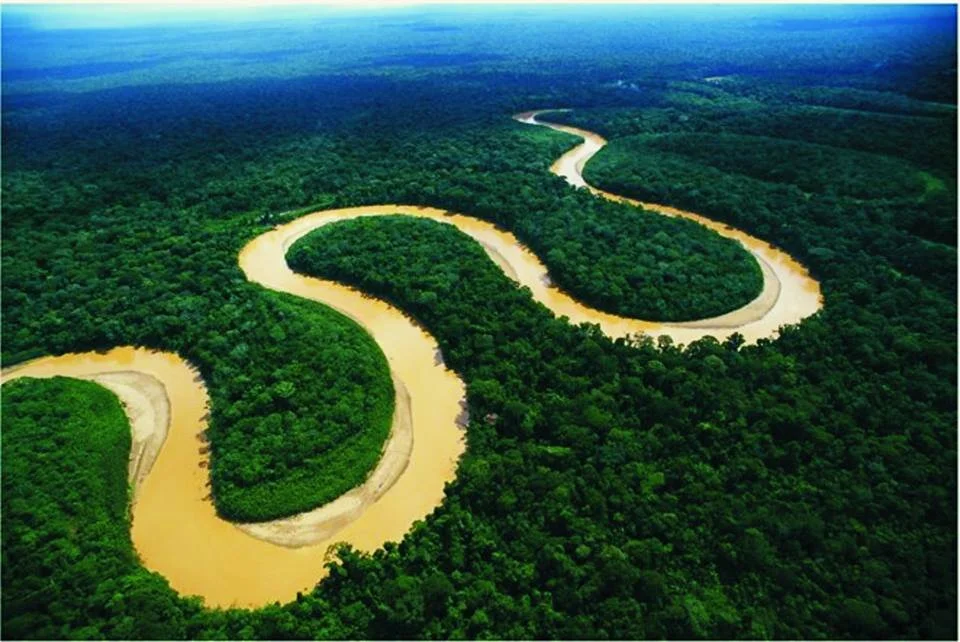
Despite its intimidating reputation, the Amazon is one of the most important ecosystems on Earth. Scientists estimate that it contains about 10 percent of the world’s known species, and new plants and animals are still being discovered. The Amazon River, the largest river system in the world by volume, supports millions of people and diverse ecosystems. The rainforest also plays a major role in absorbing carbon dioxide, helping regulate the global climate.

Ironically, the greatest threat to the Amazon today is not its wildlife or natural environment, but human activity. Deforestation, illegal mining and climate change are major challenges facing the region. Large areas of forest have been cleared for agriculture, logging and development, particularly in Brazil. In some cases, fires have destroyed large sections of the forest, damaging habitats and releasing carbon into the atmosphere. The loss of the Amazon could have serious environmental consequences worldwide.
In conclusion, the Amazon Rainforest may seem frightening because of its size, dense vegetation, wildlife and the stories told about it. It is a place where nature is powerful and often unfamiliar to visitors. However, beyond the mystery and fear lies remarkable beauty and ecological importance.
The Amazon is not simply a dangerous jungle—it is a complex, living ecosystem that supports life on Earth. Rather than fearing it, humanity should focus on understanding and protecting it.