The Lower Eastern Times Opening The Third Eye
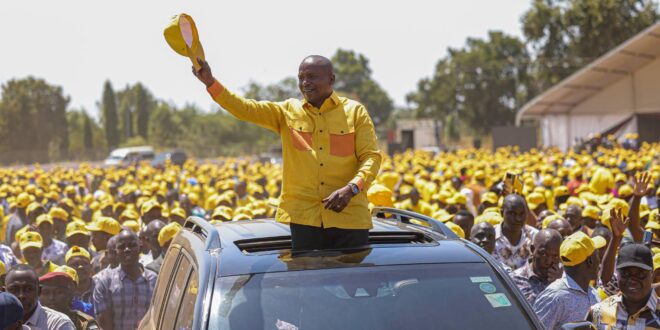
Deputy President Kithure Kindiki has escalated his political attacks on former Deputy President Rigathi Gachagua, accusing him and other opposition figures of leaning on personal insults and nicknames rather than offering Kenyans a substantive development agenda ahead of the 2027 General Election.
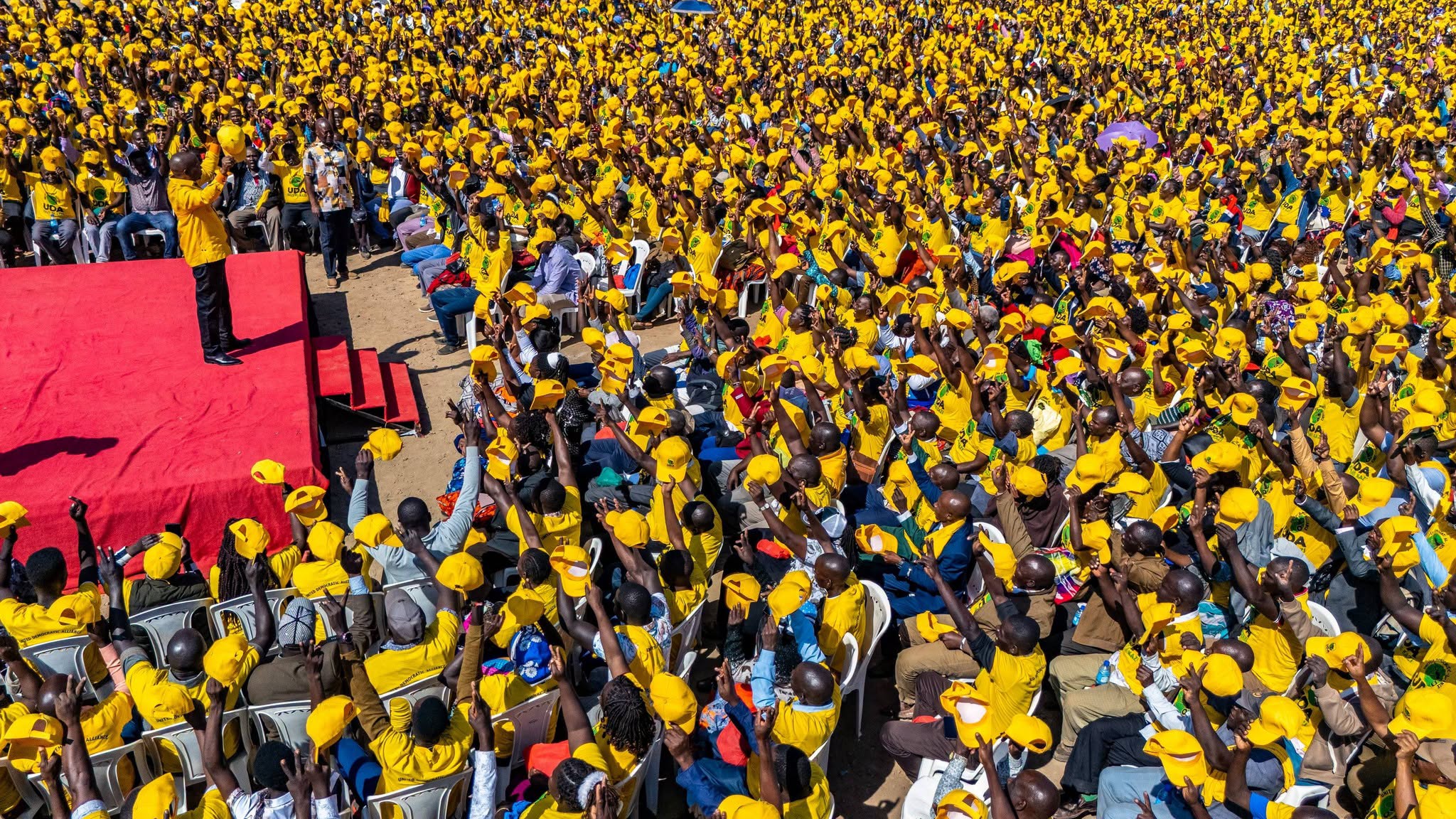
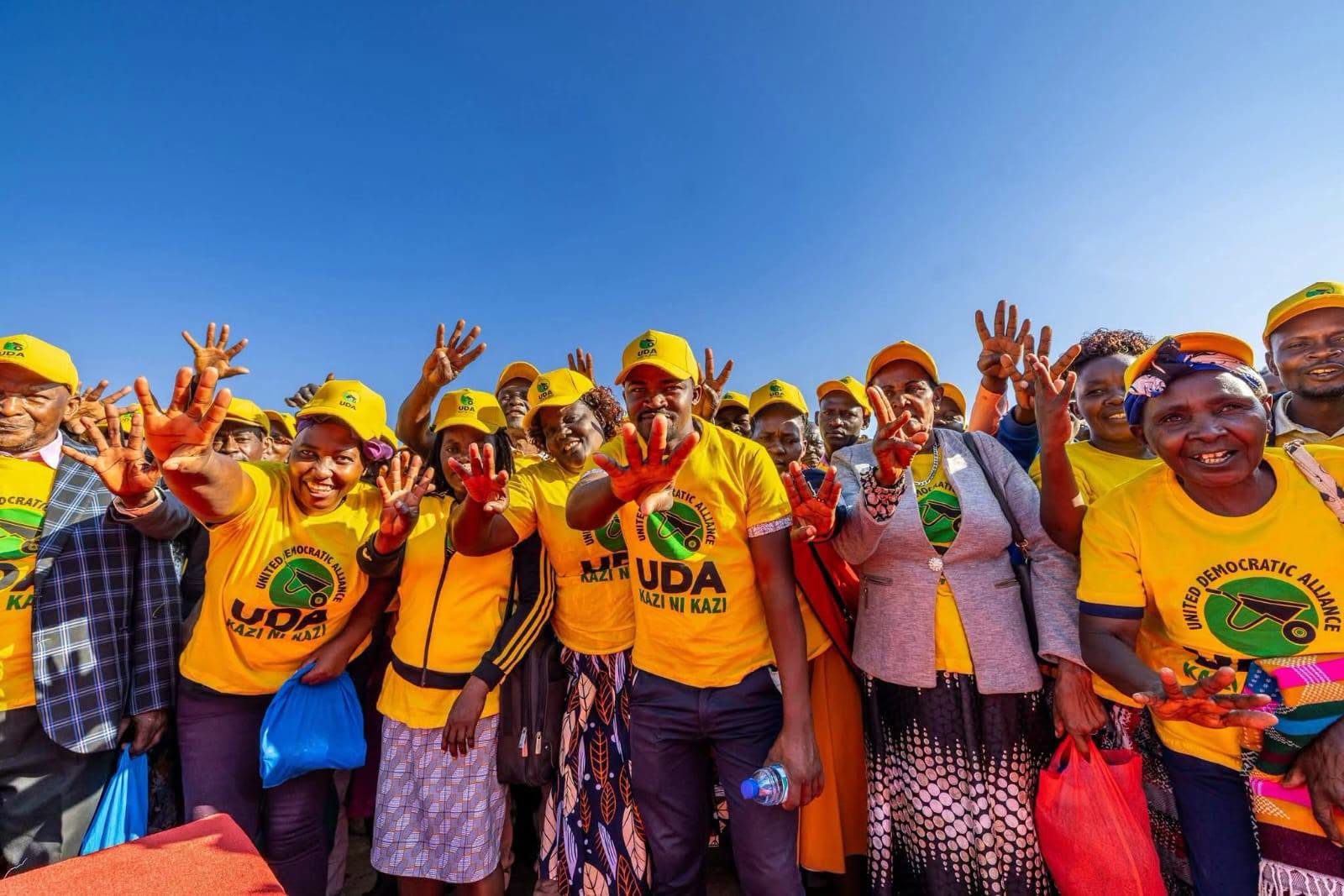
Speaking to newly elected United Democratic Alliance (UDA) grassroots officials, Kindiki urged the party’s polling-station leaders to actively defend President William Ruto’s administration by promoting what he described as its key achievements since taking office in 2022.
Click here to join our WhatsApp Channel
He brushed off opposition rhetoric built around the nicknames “Kasongo” and “Soprano,” terms that have increasingly surfaced in political exchanges involving him and the President. Kindiki dismissed the name-calling as immature, saying that anyone treating such nicknames as significant was behaving foolishly, and characterized the entire exchange as childish.
He argued that political opponents should instead focus on articulating concrete plans to improve roads, education, healthcare, agriculture, and other key sectors.
Taking a direct jab at those pursuing what he called an agenda-less politics, Kindiki said the push by figures like Gachagua for single-term limits amounted to nothing more than foolishness rather than genuine policy substance.
His remarks form part of an escalating confrontation with Gachagua, who has positioned himself as one of the most outspoken critics of the Ruto administration since his removal from office in 2024. Kindiki has ramped up his criticism of Gachagua in recent weeks amid intensifying political competition ahead of the 2027 elections, having previously accused the former Deputy President of arrogance and warned that his political conduct would eventually catch up with him.
Kindiki has also been working to establish himself as a leading political voice in the Mount Kenya region. Earlier this month, elders from the Njuri Ncheke council endorsed him as a regional spokesperson and threw their support behind President Ruto’s bid for a second term.
In his latest comments, Kindiki appeared to directly challenge Gachagua’s political standing, arguing that leaders should be evaluated based on their ideas and contributions to national development rather than personal attacks, stressing that what matters is substance and the ability to move the country forward.
Defending Ruto’s Record
Much of Kindiki’s address focused on defending the Kenya Kwanza administration’s achievements, urging UDA grassroots officials to carry the government’s message to voters. He pointed to the recruitment of teachers, expanded health insurance coverage, classroom construction, growth in technical training, and investment in roads and electricity as key accomplishments.
He said the government has hired 100,000 teachers since 2022 and is preparing to recruit another 20,000, bringing the total to 120,000 — figures consistent with statements he made in June, when he cited the same numbers against a manifesto target of 116,000 teachers. He also referenced the construction of 23,000 classrooms and noted that the education budget had grown from Sh500 billion in 2022 to Sh784 billion in the current financial year.
On technical education, Kindiki said enrolment had risen from 297,000 students in 2022 to 718,000, alongside the recruitment of 3,300 TVET tutors.
He also defended the government’s healthcare reforms, contrasting the former National Hospital Insurance Fund (NHIF) with the current Social Health Authority (SHA), noting that public health insurance coverage had grown from about eight million Kenyans under NHIF to more than 32 million under SHA — figures that align with recent government data placing coverage at roughly 32.2 million.
On infrastructure, Kindiki said the government had enabled contractors to resume work on road projects covering about 6,000 kilometres nationwide after clearing outstanding payments, referencing the government’s earlier disclosure that it had settled Sh177 billion in pending bills owed to road contractors, allowing stalled projects to restart across all 47 counties.
UDA Grassroots Mobilisation
Kindiki said the party’s ongoing grassroots elections were meant to give UDA a functioning political structure ahead of the next General Election, claiming UDA was the only Kenyan party with democratically elected officials at the polling-station level and challenging rival parties to show similar organizational structures.
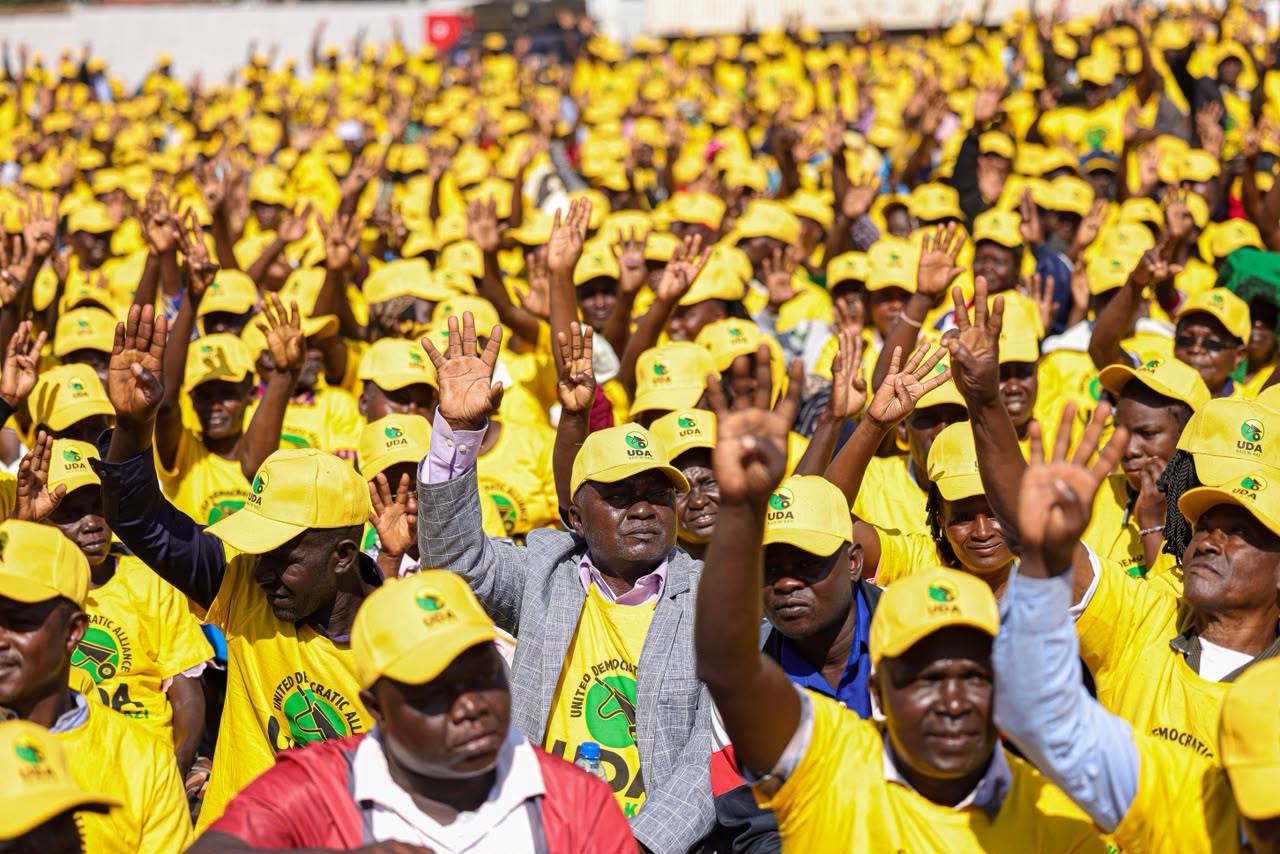
He said the party would continue holding elections at other levels, including the ward level, culminating in a National Delegates Congress. UDA’s grassroots elections began earlier this year, initially covering 18 counties before expanding nationwide.
Kindiki told the newly elected officials they would serve as the party’s representatives at polling stations and would be responsible for promoting the government’s record to voters, urging them to push back against what he called “useless people with no agenda and no issue-based politics.”
Two-Term Agenda
Kindiki framed the 2027 election as a referendum on the government’s development record, arguing that President Ruto deserves a second term if he can demonstrate that he has delivered on the promises outlined in the Kenya Kwanza manifesto. He said the administration would present its track record to voters before seeking another five-year mandate, pledging that the government would lay out both what it has delivered and what remains in progress when campaigning for re-election next year.
His comments come as political parties and coalitions increasingly jostle for position ahead of the 2027 contest, with the presidential and deputy presidential tickets already generating intense speculation. Recent political analysis has highlighted pressure from sections of the Orange Democratic Movement (ODM) for a bigger role in the 2027 arrangement, including demands touching on the Deputy President’s position.
Kindiki also sought to present the Kenya Kwanza coalition as a broad political alliance, welcoming parties such as ODM, UDM, FORD-Kenya, PAA, and CHAP CHAP, and calling on them to unite behind what he described as a shared development agenda in support of Ruto’s re-election bid.
“I Will Defend Myself”
Turning to his own political future, Kindiki drew a comparison to earlier attempts to remove Ruto from the Deputy Presidency during former President Uhuru Kenyatta’s administration. Reflecting on his own political journey — from firefighter to Deputy President — he questioned whether anyone could simply remove him from his current position and cast him aside.
He declared that he would not allow himself to be pushed out of office without a fight, vowing to defend his position rather than be forced out. The remarks appeared to underscore his resolve to resist any political efforts to undermine his standing as debate over the 2027 succession intensifies.
Kindiki also referenced the history of Ruto’s own fallout with former President Kenyatta, noting that Ruto managed to survive attempts to remove him from the Deputy Presidency because he had built a strong political network — a point that seemed to reflect Kindiki’s own strategy of shoring up support.
His latest remarks come amid an increasingly open rivalry with Gachagua, who has been campaigning through his Democratic Congress Party (DCP) and positioning himself as a leading alternative voice in the Mount Kenya region. Kindiki, for his part, has intensified engagement with regional elders and UDA structures as he works to consolidate his political base.
He closed his remarks by telling UDA officials that the coming year would be pivotal, urging them to remain disciplined and focused on promoting the administration’s record, and reminding them of their importance as the party’s frontline spokespersons.