The Lower Eastern Times Opening The Third Eye

Related Articles


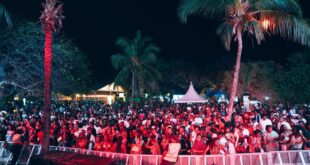
Among the Kamba community, traditions have long played a central role in strengthening family bonds and preserving cultural identity. One such tradition is Ngone Mwaitu, a heartfelt celebration whose name loosely translates to “come see our mother” (Ngone meaning “see” and Mwaitu meaning “our mother”).
Originally, Ngone Mwaitu was a deeply respectful family gathering where children would visit their mothers and elders, often bringing gifts, food, and financial support as a way of appreciation. It was not just a visit, but a cultural moment of honouring motherhood, reconnecting with family roots, and expressing gratitude for parental sacrifice.
Click here to join our WhatsApp Channel
In its traditional form, the celebration symbolized unity. Sons and daughters would travel back home, sometimes from far distances, to sit with their mothers, share meals, and offer whatever support they could manage. The event was simple, personal, and guided by genuine family affection rather than public display or financial expectations.
However, in recent years, the meaning and practice of Ngone Mwaitu have begun to shift. What was once a private, family-centred tradition is increasingly being organised as public or semi-public events, sometimes resembling fundraising ceremonies.
Community elders and observers note that in some cases, the original purpose has been blurred. Instead of purely honouring parents, certain modern celebrations are reportedly being used as platforms where children or organisers appeal for financial contributions under the guise of celebrating their mothers. Critics argue that some individuals have taken advantage of the cultural sentiment attached to Ngone Mwaitu to solicit funds that are not always directed toward the intended parental appreciation.
There are growing concerns that, in some instances, the events have become more about personal financial gain than cultural preservation. Reports suggest that a number of these gatherings now involve speeches, invitations to guests, and structured donation sessions, with proceeds occasionally benefiting the organisers more than the parents being celebrated.

Despite these concerns, the tradition continues to grow in popularity across many parts of Ukambani. More families are embracing Ngone Mwaitu each year, with elaborate ceremonies becoming increasingly common. Supporters of the modern format argue that rising economic pressures have simply changed how families express appreciation, and that public celebrations can help mobilise resources to support ageing parents.
Still, cultural purists warn that the essence of Ngone Mwaitu risks being lost. They argue that the tradition should remain a sincere act of visiting and honouring mothers, not an opportunity for fundraising or personal enrichment.

As the practice continues to evolve, the debate remains open: is Ngone Mwaitu adapting to modern realities, or drifting away from its original cultural meaning?
What remains clear, however, is that the tradition still carries strong emotional weight within the Kamba community—rooted in love, respect, and the enduring bond between children and their mothers.