 The Lower Eastern Times Opening The Third Eye
Related Articles



The Ethics and Anti-Corruption Commission has explained that it will not directly investigate the ongoing oil importation scandal to avoid duplicating efforts with the Directorate of Criminal Investigations.
EACC Chief Executive Officer Abdi Mohamud said the commission will allow the DCI to complete its investigations first before deciding whether any corruption-related offences fall under its mandate.
Click here to join our WhatsApp Channel
Speaking at an anti-corruption workshop in Nairobi on Tuesday, Mohamud noted that once the DCI takes over a case, the EACC steps back to avoid parallel investigations.
He added that the commission may intervene later if findings point to violations under the Anti-Corruption and Economic Crimes Act, although initial indications suggest the matter may largely involve criminal offences.
Mohamud stressed the importance of coordination among investigative agencies, saying overlapping roles require a structured approach to prevent inefficiencies and conflicts.
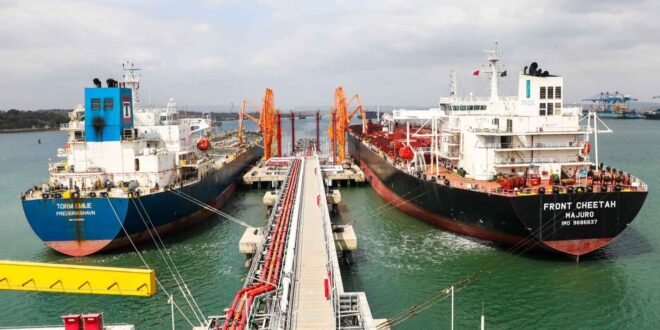
His remarks come amid growing public scrutiny over the oil importation process involving the Kenya Pipeline Company, with several individuals already questioned.
On separate concerns raised by senators about alleged financial mismanagement in some counties, Mohamud said the commission is already monitoring the issues through its liaison officers embedded in Senate committees.
He explained that even without formal reports, the EACC can begin preliminary investigations based on credible information gathered through such institutional channels.

The CEO affirmed that the commission will continue tracking both the oil importation probe and county-related concerns, taking action where necessary within its legal mandate.
The forum also underscored the need for stronger collaboration between investigative agencies and the media to enhance transparency and accountability in public institutions.
