The Lower Eastern Times Opening The Third Eye
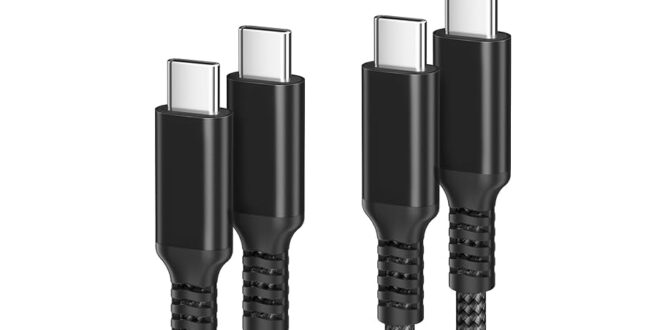
A recent directive by the Communications Authority of Kenya (CA) mandating USB Type-C as the standard charging port for all mobile devices in the country has sparked widespread interest among consumers. Many Kenyans are curious why authorities are pushing for a universal charging system.
The new rules align Kenya with a global trend toward standardised chargers, following similar moves such as the European Union Directive 2022/2380, which requires most portable electronic devices sold in the EU to adopt a single charging standard.
Click here to join our WhatsApp Channel
In a notice dated March 24, 2026, CA outlined technical requirements for mobile devices sold, imported, assembled, or used in Kenya. The regulations specify that all devices must feature a USB Type-C charging port with a detachable cable.
“The charging solution for mobile cellular devices shall be USB Type-C,” the CA stated in its 2026 Technical Specifications for Mobile Cellular Devices.
Under Kenyan law, all mobile phone importers must obtain type approval from the regulator before bringing devices to market. Compliance with USB-C requirements is now a mandatory part of this approval process. Devices already approved or in use, including older models using proprietary systems like Apple’s pre-iPhone 15 Lightning connector, remain legal.
What is USB Type-C?
USB Type-C (USB-C) is a modern, 24-pin reversible connector developed by the USB Implementers Forum (USB-IF). Its reversible design allows users to plug in the cable either way, solving the frustration of older USB ports.
Beyond charging, USB-C is highly versatile. A single port can handle multiple functions: powering devices, transferring data, connecting to external displays, and running accessories. This reduces the need for multiple cables and ports, simplifying everyday use.
USB-C also supports high performance. Through USB Power Delivery (USB-PD), it can deliver up to 240 watts, enough for smartphones, tablets, and laptops. Data transfer speeds can reach 40 gigabits per second, making it suitable for external storage, video editing, and professional workflows.

Why Governments Are Adopting USB-C
The push for a universal charger is driven by environmental, convenience, and safety considerations:
- Environmental sustainability: Different manufacturers previously used proprietary chargers, forcing consumers to own multiple cables. Standardisation reduces the production and disposal of chargers, cutting electronic waste.
- Consumer convenience: A single cable can now charge multiple devices across brands, making life easier for travellers and professionals.
- Safety: USB-C chargers feature protections against overheating, short circuits, and power surges, reducing risks to devices and users.
The requirement for detachable cables adds further sustainability, allowing consumers to replace a damaged cable without discarding the entire charger.
Caution for Consumers
Not all USB-C cables are equal. While the connectors may look the same, cables vary in power delivery and data transfer capability. Some are suitable only for basic charging, while others support high-wattage power delivery for laptops and fast data transfer. Consumers should carefully check specifications when purchasing USB-C accessories to ensure they meet their needs.
USB Type-C is poised to become the global standard, offering a safer, more convenient, and environmentally friendly way to power and connect devices.