The Lower Eastern Times Opening The Third Eye
Related Articles


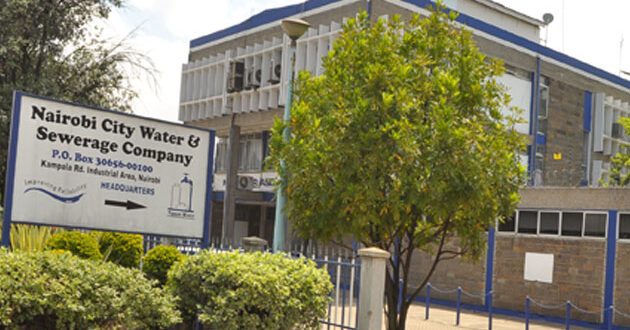
Nairobi City Water is facing worsening financial challenges due to poor debt recovery, inefficiencies, and outdated systems, according to a report by the Auditor General presented to the Senate Public Investment Committee.
Click here to join our WhatsApp Channel
Governor Johnson Sakaja revealed that 51% of the city’s water supply falls under non-revenue water—lost through leaks or used without billing.
“We’re focusing on establishing a revenue monitoring unit, enhancing meter reading, and forming a credit control team to verify outstanding debts, especially those overdue by more than 480 days,” Sakaja told senators.
He also cited long-standing issues such as obsolete tariffs and unrecorded infrastructure, noting that major dams and pipelines managed by the company are yet to be listed in its financial books as mandated by the Water Act.
“To address this, we’ve applied to WASREB for approval of a cost-reflective tariff, since the current one doesn’t reflect our actual service costs,” he explained.
Despite the utility’s revenue rising from Sh8 billion to nearly Sh12 billion in the past year, the Auditor General cautioned that financial mismanagement has left it with negative working capital.
“Reorganizing assets alone won’t fix the cash flow crisis. The company needs to manage its liabilities and recover outstanding dues,” the audit report stated.
Governor Sakaja also stressed the utility’s obligation to maintain supply to informal settlements, citing public health concerns.

In response, the Senate Committee called for swift reforms, including revising tariffs, properly accounting for water infrastructure, and addressing high levels of non-revenue water losses.