The Lower Eastern Times Opening The Third Eye
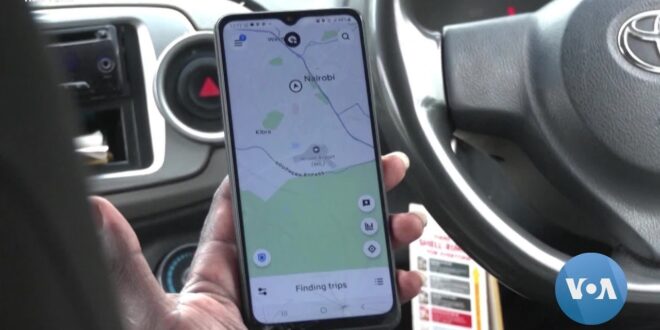
A new Ipsos Safety Index commissioned by Bolt reveals that 94 percent of Kenyans perceive ride-hailing services as safer than conventional transport modes like matatus and traditional taxis — signaling a strong public shift toward tech-based mobility solutions.
Click here to join our WhatsApp Channel
The survey, which engaged 250 active users across Nairobi, Mombasa, Kisumu, and Nakuru, credits this perception to the reliability of digital ride platforms and their advanced in-app safety features that give passengers greater control during trips.
Women make up 70 percent of ride-hailing users in Kenya, with most aged between 18 and 34. The leading motivations for using these services are convenience (70 percent) and safety (57 percent), followed by comfort and reliability.
The study also found that 79 percent of Kenyans believe ride-hailing services have helped reduce drunk driving, offering a safer option for late-night travel. Additionally, 64 percent of respondents said they had booked rides for friends or relatives out of safety concerns.
“Safety remains a key priority for Bolt,” said Dimmy Kanyankole, the company’s Senior General Manager. “We’ve developed features that empower riders — including GPS tracking, trip monitoring, verified users, and in-app emergency response tools.”
The report highlights that 97 percent of passengers feel safer because of these built-in safety measures. Driver verification (79 percent) and the SOS button (78 percent) were ranked among the most valued features.
Moreover, 94 percent of respondents said they feel safer using ride-hailing at night, attributing this to real-time location sharing and flexible drop-off options.
Soyinka Witness, Strategy Director at Ipsos Sub-Saharan Africa, said the findings indicate a “major behavioral transformation” in Kenya’s urban transport landscape.

“Ride-hailing is increasingly being seen not only as convenient but also as a safer and more responsible choice — particularly among young women and working professionals,” Witness said.
“Technology is redefining trust in public transport and promoting safer commuting practices nationwide.”