The Lower Eastern Times Opening The Third Eye


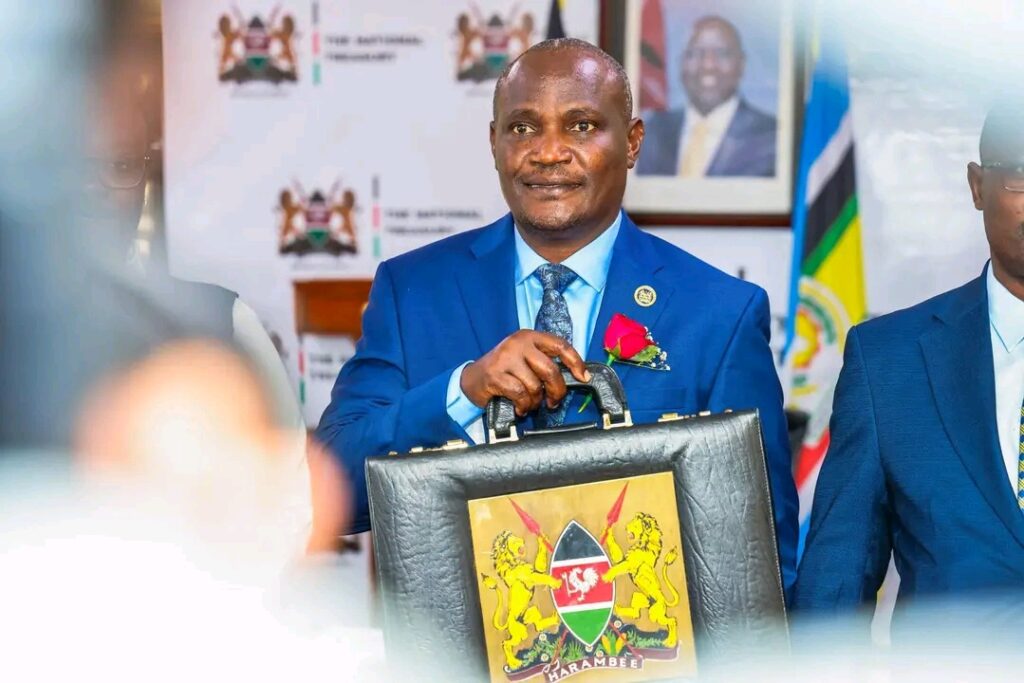
Kenya’s National Treasury Cabinet Secretary John Mbadi has unveiled a KSh 4.82 trillion national budget for the 2026/27 financial year, outlining government spending priorities focused on education, security, healthcare, infrastructure, housing and job creation.
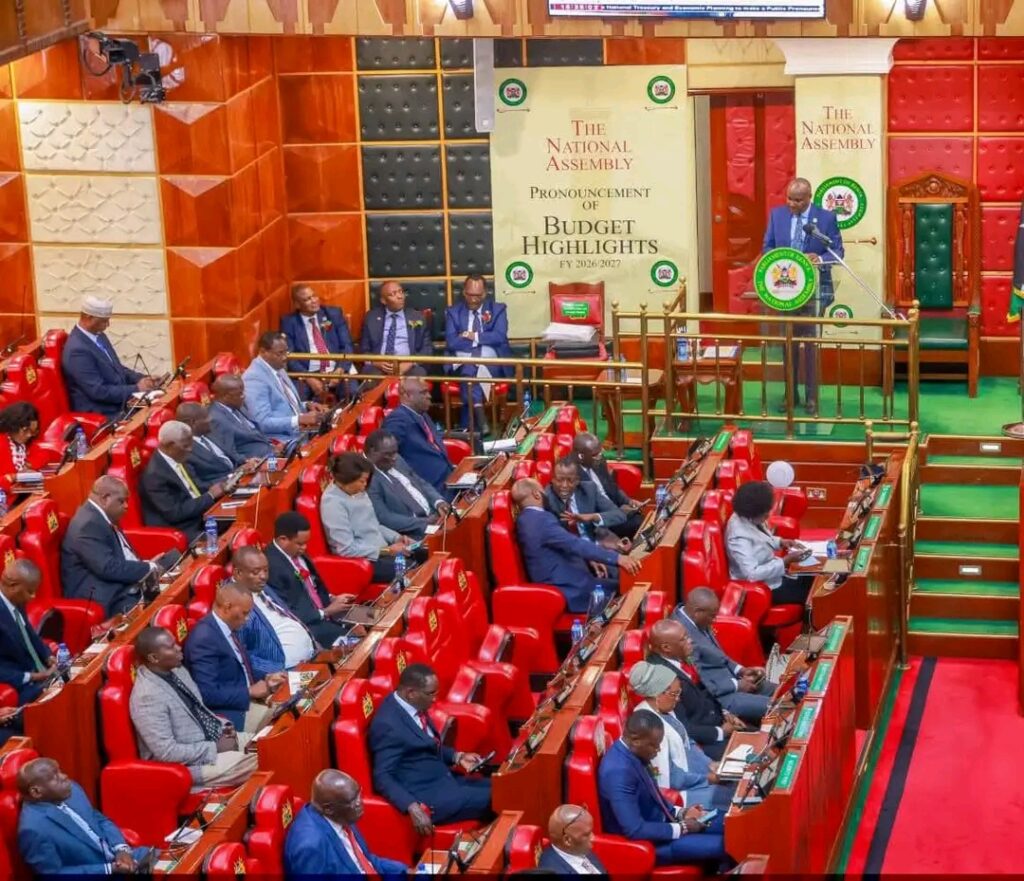
Presenting the budget before Parliament on Thursday, Mbadi said the spending plan seeks to support economic growth, strengthen service delivery and maintain fiscal sustainability amid growing expenditure demands.
The budget projects total expenditure of KSh 4.820 trillion, with recurrent expenditure accounting for KSh 3.568 trillion and development expenditure standing at KSh 750 billion.
The Treasury targets total revenue collections of KSh 3.631 trillion, including KSh 2.986 trillion from ordinary revenue. However, the government faces a budget deficit of KSh 1.146 trillion, which it plans to finance through borrowing.
To bridge the funding gap, the Treasury will borrow KSh 1.03 trillion from the domestic market and an additional KSh 116.2 billion from external sources.
Education Receives Largest Share
Education emerged as the biggest beneficiary, receiving KSh 781.4 billion.
The allocation includes KSh 4.9 billion to facilitate the employment of 20,000 intern teachers on permanent and pensionable terms, as well as KSh 56.7 billion for the Higher Education Loans Board (HELB) to support university and college students.
Security Budget Crosses Half-Trillion Mark
The national security sector was allocated KSh 567 billion, underscoring the government’s commitment to maintaining security and public safety.
Of the amount, KSh 252.1 billion will go to the defence sector, while the National Police Service will receive KSh 144.7 billion.
Roads, Health and Housing Receive Major Funding
The roads and transport sector was allocated KSh 230 billion to support infrastructure development and connectivity projects across the country.
The health sector received KSh 175.5 billion to advance Universal Health Coverage (UHC). The allocation includes KSh 19.1 billion for the Primary Healthcare Fund and KSh 18.5 billion for programs supported through the Global Fund.
Affordable housing and urban development programs were allocated KSh 135.8 billion, with KSh 50 billion earmarked for the construction of affordable housing units and KSh 20.9 billion directed towards social housing projects.
Agriculture, Sports and Youth Programmes Boosted
Agriculture and food security programs received KSh 106.8 billion, including KSh 18 billion for the fertilizer subsidy programme aimed at lowering production costs and improving food output.
The Sports Fund allocation was increased significantly to KSh 25.2 billion, representing a rise of more than 50 percent as Kenya intensifies preparations for the 2027 Africa Cup of Nations.
Youth-focused initiatives were allocated KSh 23 billion, including KSh 12.5 billion for the National Youth Service (NYS) and KSh 2 billion for graduate internship opportunities under the NextGen KE programme.

In a notable move, the government also allocated KSh 3.9 billion to provide monthly stipends for village elders, marking the first direct budgetary allocation aimed at formalizing support for grassroots administrators.
Executive Takes Largest Share of Governance Budget
Under governance allocations, the Executive was allocated KSh 2.92 trillion, while Parliament received KSh 50.98 billion.
The Judiciary was allocated KSh 30.38 billion to support justice administration and court operations.
County governments will receive KSh 428 billion as equitable share revenue, alongside KSh 74 billion in conditional grants and transfers to support devolved functions.
The 2026/27 budget comes as the government seeks to balance development spending, debt obligations and social sector investments while sustaining economic growth and improving livelihoods across the country.