The Lower Eastern Times Opening The Third Eye
Related Articles



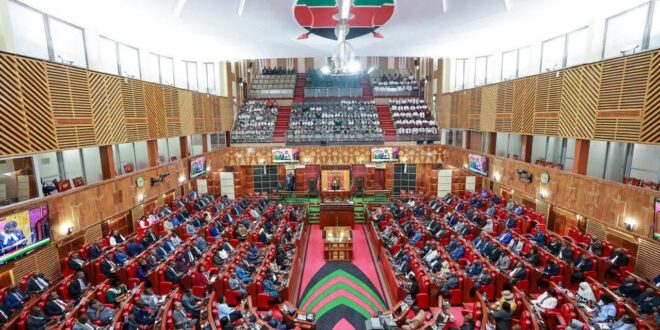
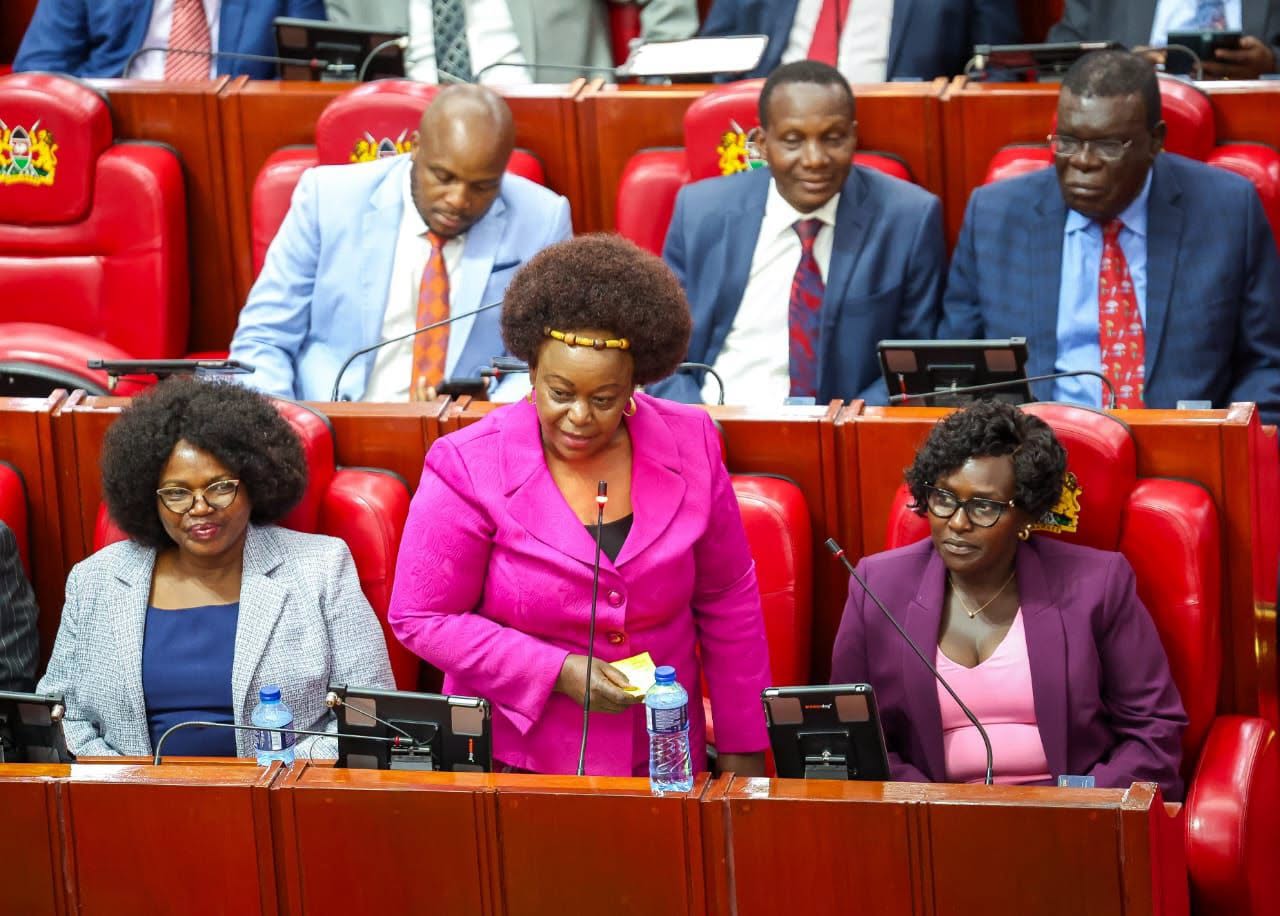
The National Assembly has approved the Kenyan Sign Language Bill, 2023, marking a major step toward improving inclusion and accessibility for people with hearing impairments across the country.
The Bill, sponsored by Suba North MP Millie Odhiambo and ODM nominated MP Umulkheir Harun, introduces measures aimed at expanding the use and recognition of Kenyan Sign Language in schools, courts, media outlets, telecommunications services, and public institutions.
Click here to join our WhatsApp Channel
The proposed law seeks to enhance access to education, information, justice, and public services for deaf, hard-of-hearing, and deafblind individuals. It also reinforces constitutional provisions that recognize Kenyan Sign Language as an official mode of communication and uphold the rights of persons with disabilities.
Education is a central focus of the legislation. It requires the Education Cabinet Secretary to support sign language training for parents, guardians, and family members of children with hearing disabilities. Kenyan Sign Language will also be incorporated into early childhood and basic education curricula, while public universities and colleges will be required to provide free interpretation services to students who need them.
The Bill further outlines measures to improve communication accessibility. Broadcasters will be required to provide closed captions and dedicate at least one-third of television screens to Kenyan Sign Language interpretation during news bulletins, educational content, and national events. Online video content will also be expected to include captions or transcripts.

Telecommunication companies will be obligated to establish relay services, including text, video, and caption-supported communication systems, to better serve persons with hearing disabilities.
To oversee implementation, the Bill proposes the creation of the Kenya Sign Language Council, which will regulate, promote, and preserve Kenyan Sign Language. The council will be tasked with setting professional standards, licensing interpreters, safeguarding communication rights, and advising the government on sign language matters.
Based in Nairobi, the council will operate nationwide and include representatives from government agencies, the deaf community, sign language interpreters, and the National Council for Persons with Disabilities.

The legislation also introduces a regulatory framework for professional sign language interpreters, requiring them to register with the council, obtain annual practicing certificates, and undertake continuous professional development. Only accredited practitioners will be allowed to use the title “Professional Sign Language Interpreter.”
Additionally, the Bill includes governance and accountability measures such as annual audits by the Auditor-General, mandatory reporting obligations, and conflict-of-interest rules for council members. Once enacted, the law is expected to significantly advance equality, inclusion, and non-discrimination for Kenya’s deaf and deafblind communities.