The Lower Eastern Times Opening The Third Eye

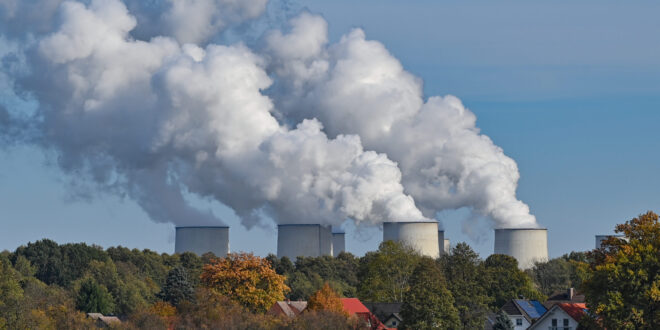
Carbon trading schemes could unleash up to 2.5 gigatonnes of additional emissions every year, worsening pollution across Africa, a new report by Power Shift Africa (PSA) has cautioned.
Click here to join our WhatsApp Channel
Titled “Why Carbon Markets Are a Dangerous Distraction for Africa”, the report argues that carbon markets not only increase emissions but also delay real climate solutions, enable corporate greenwashing, and shift the burden of climate action onto the continent.
PSA Director Mohamed Adow said the projected emissions from carbon markets would surpass the total emissions currently produced by Africa’s fossil fuel and agriculture sectors combined.
“Carbon markets are just a cover for polluters. They let companies continue burning fossil fuels while pretending to be climate-conscious by buying offsets. This doesn’t cut emissions—it just offloads the problem onto Africa,” Adow explained.
According to the report, voluntary carbon markets essentially function as “licenses to pollute,” allowing businesses to appear environmentally responsible without making real reductions in emissions.
Adow called for a shift toward public financing for climate action, including debt relief, climate reparations, equitable taxation, and grassroots-led adaptation efforts.
“We need real investment in clean energy, adaptation, and emissions reduction—not illusions like carbon offsets,” he said.
The report has received support from 21 African organizations, including AFRODAD, AFSA, Green Faith Africa, and FEMNET.
Despite Africa’s minimal contribution to global greenhouse gas emissions, it remains one of the most climate-vulnerable regions, suffering from extreme weather events, droughts, floods, and biodiversity loss.