The Lower Eastern Times Opening The Third Eye

The tradition of honoring mothers and motherhood has ancient roots, seen in festivals dedicated to mother goddesses like Rhea and Cybele in Greek and Roman civilizations.
However, the modern precedent for Mother’s Day can be traced back to the early Christian observance called “Mothering Sunday,” primarily celebrated in the United Kingdom and Europe during Lent’s fourth Sunday.
Initially, it was a religious occasion where people returned to their local parish, or “mother church,” for a special service. Over time, it evolved into a more secular celebration where children would offer flowers and tokens of appreciation to their mothers.
ALSO READ: ‘Friends To The Rescue’ Group Feeds Street Children In Roysambu
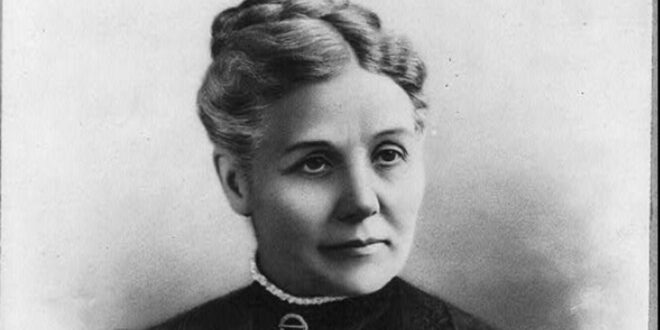
Before the Civil War, Ann Reeves Jarvis of West Virginia founded “Mothers’ Day Work Clubs” to educate local women about childcare. These clubs served as a unifying force in a divided region and even promoted reconciliation by organizing events like “Mothers’ Friendship Day,” where former Union and Confederate soldiers gathered together.
In 1870, Julia Ward Howe, an abolitionist and suffragette, advocated for a day dedicated to mothers to promote world peace, known as “Mother’s Peace Day.” Meanwhile, Juliet Calhoun Blakely initiated a local Mother’s Day in Albion, Michigan, during the 1870s, focusing on temperance efforts.
In the late 19th and early 20th centuries, Mary Towles Sasseen and Frank Hering also contributed to organizing Mothers’ Day celebrations, with some considering Hering as a key figure, often referred to as “the father of Mothers’ Day.”
Inspired by her own mother’s devotion, Anna Jarvis campaigned for a national day to honor mothers. In 1907, she held the first Mother’s Day service in Grafton, West Virginia, leading to the establishment of the International Mother’s Day Shrine at Andrews Methodist Episcopal Church. Ultimately, Jarvis’s advocacy resulted in Mother’s Day being officially recognized in the United States in 1914.

Ironically, Anna Jarvis later criticized the commercialization of Mother’s Day and spent her later years trying to remove it from the calendar. Nevertheless, the tradition of expressing appreciation to mothers through flowers, cards, and gifts persists today.
Just to remind you, more phone calls are made on Mother’s Day than any other day of the year. So, have you called your mother to celebrate her?