The Lower Eastern Times Opening The Third Eye

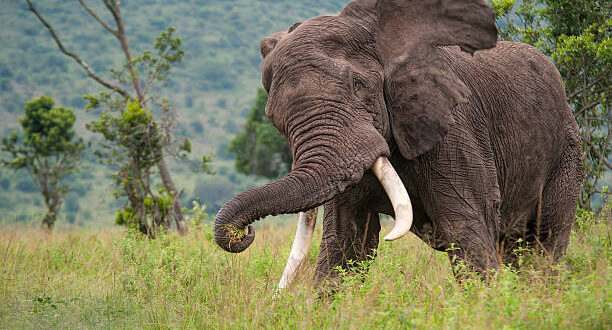
A 52-year-old man, identified as Anderson Suleiman Ngumbao, was trampled to death by an elephant in Ganze, Kilifi County, on September 30, 2025.
According to police and the Kenya Wildlife Service (KWS), the victim had been cutting logs for charcoal inside Madamani Forest, Mlima Wa Ndege area, when the animal attacked. He was in the company of his wife, who managed to escape unharmed.
Click here to join our WhatsApp Channel
Witnesses said the elephant chased Ngumbao before catching up with him and fatally trampling him. His body, which sustained multiple injuries, was taken to the mortuary.
Officials noted that the case highlights the growing problem of human-wildlife conflict in Kenya, with at least two similar incidents reported monthly. The situation has been worsened by dwindling resources, forcing both people and wild animals into closer contact.
Tensions remain high, with locals threatening to retaliate against elephants, sometimes resorting to poisoning them — a trend that threatens both conservation efforts and the tourism industry. In response, authorities have begun relocating problematic animals to reduce risks.
To address the crisis, the government rolled out the third phase of the Human–Wildlife Conflict Compensation Programme in May 2025. President William Ruto launched the Wildlife Conservation Card at Meru National Park, a financial tool designed in partnership with KCB Bank to support conservation and provide resources for affected communities.

The card, available in Platinum (Elephant), Gold (Lion), and Silver (Cheetah) tiers, channels part of each transaction into the Wildlife Conservation Trust Fund. Ruto emphasized that while compensation offers justice, prevention and sustainable coexistence remain the ultimate goal.
Through fencing, community-led tourism, and innovative conservation financing, Kenya hopes to reduce deadly encounters between humans and wildlife while ensuring economic benefits for local communities.