The Lower Eastern Times Opening The Third Eye
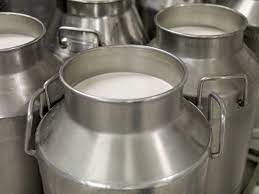
Kenya’s milk production is projected to grow to 3.4 billion liters annually by 2028, driven by efforts from the Nourishing Prosperity Alliance: Forage for Animal Growth in East Africa (NPA-Forage)—a consortium of private sector stakeholders in the dairy industry.
Click here to join our WhatsApp Channel
This represents a potential 53% increase in production and is expected to involve 500,000 smallholder farmers managing around 2 million dairy cows. The resulting economic impact is estimated at Sh156 billion in additional revenue.
According to the consortium, the growth will be supported by the creation of a sustainable commercial market for nutrient-rich, climate-resilient forage accessible to small-scale dairy farmers—who make up 80% of the dairy farming population and contribute over half of the country’s milk supply. These projections build on the success of a pilot program conducted between 2020 and 2023.
The Food and Agriculture Organization (FAO) estimates that poor livestock nutrition results in an annual milk deficit of 4.42 billion liters in Kenya, equating to a loss of about Sh169 billion in untapped dairy income.
“Farmers are beginning to shift their feeding practices, leading to improved milk production. We’re also equipping them with skills to cultivate and sell high-quality, climate-smart forage,” said Brenda Rono, Monitoring, Evaluation, and Learning Manager at NPA-Forage in Kenya.
Since its inception in 2020, the initiative has trained 5,500 smallholder dairy farmers on forage cultivation and feed optimization. Of these, 91% reported increased knowledge of forage nutrition and the ability to create balanced animal diets.
Among farmers already using the new forage, 87% noted improved milk output, with an average 64% increase in milk yield across different forage types—underscoring the benefits of this approach.
“Low productivity due to poor nutrition is a major challenge in Kenya’s dairy sector,” said Ian Mutua Muthama, NPA-Forage’s Country Lead Technical Manager. “By establishing a viable market for nutritious, affordable forage, we aim to grow the sector by 16% this year, 26% next year, and reach a 53% increase by 2028.”
He added that this growth will be tracked through metrics such as per-cow milk yield, adoption rates of NPA forage techniques among farmers, and the overall economic gains for both dairy producers and forage sellers.