The Lower Eastern Times Opening The Third Eye
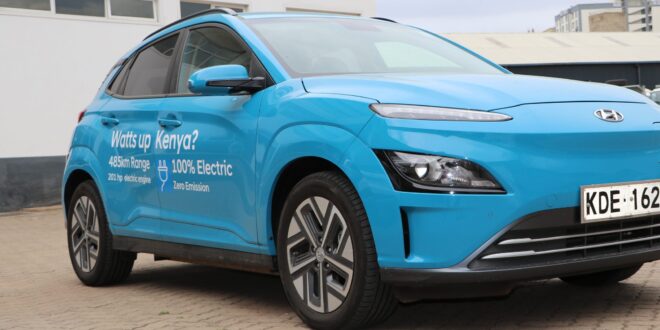
The number of electric vehicles (EVs) registered in Kenya surged to 5,294 in 2024, doubling from 2,694 in 2023, according to new data.
Click here to join our WhatsApp Channel
The Electric Mobility Association of Kenya (EMAK) reports that motorcycles lead the adoption of green mobility in the country, with 4,862 registered in 2024. This is followed by three-wheelers (tuk-tuks), with 185 units, and electric cars, with 123 registrations. Additionally, 87 forklifts and 32 buses were registered last year.
The overall count of registered EVs now includes 8,097 e-motorcycles, 324 tuk-tuks, 318 e-cars, 53 buses, and 227 forklifts.
EMAK President Hezbon Mose noted that EVs now make up 0.2% of Kenya’s total vehicle registrations. He projects significant growth in the EV sector, estimating that by 2030, the number of two-wheeled EVs will exceed 60,000, and electric buses will surpass 2,000 units. Passenger EV sales are expected to reach over 7,600 in 2030, with a cumulative total of 30,000 vehicles.
Factors like the government’s e-mobility tariff and tax incentives have fueled Kenya’s growing interest in electric vehicles. However, the high upfront cost of EVs, driven largely by battery prices, remains a barrier, especially compared to used internal combustion engine (ICE) vehicles.
Limited public charging infrastructure, with most charging stations concentrated in Nairobi, also hinders broader adoption.
To address this, Kenya Power announced plans to install 45 new charging stations across various counties, including Nairobi, Mombasa, and Kisumu. The utility is also considering setting up local battery assembly plants to reduce EV costs further.