The Lower Eastern Times Opening The Third Eye

By: Martha Njoki, Mount Kenya University
In recent years, social media has emerged as one of the most influential spaces for young people in Kenya, reshaping how they communicate, express themselves, and engage with national issues.
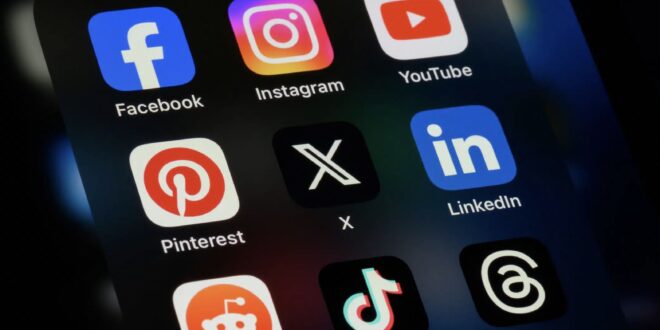
Platforms such as TikTok, Instagram, Facebook, and X (formerly Twitter) have evolved beyond entertainment tools to become channels for business, activism, and public debate.
Click here to join our WhatsApp Channel
Kenya’s large youthful population has been at the centre of this digital transformation. Many young people, while educated and ambitious, continue to face challenges such as unemployment, rising living costs, and limited formal opportunities.
In this context, social media has provided an accessible platform where they can voice concerns, share ideas, and reach wide audiences in real time.
Unlike traditional media, which is often institutionally controlled, digital platforms allow users to publish content instantly and engage directly with the public. This has enabled young people to actively participate in discussions on governance, corruption, and policy issues, often using hashtags, videos, and online campaigns to demand accountability and transparency.
Beyond civic engagement, social media has also opened up new economic opportunities. A growing number of young Kenyans are leveraging digital platforms for entrepreneurship, content creation, and online marketing. From comedy and fashion to product promotion and e-commerce, many have turned online activity into sustainable income streams supported by advertising, partnerships, and brand collaborations.
This shift has been particularly significant in the face of high youth unemployment. For many graduates, digital platforms offer an alternative pathway to income generation and self-employment, reducing reliance on formal job markets.
Kenyan creatives have also gained visibility beyond national borders. Musicians, dancers, comedians, and influencers are increasingly reaching regional and global audiences through viral content, helping to showcase local culture and talent while enhancing Kenya’s digital footprint internationally.
However, the growth of social media use also presents notable challenges. The spread of misinformation remains a major concern, as unverified content can circulate quickly and influence public perception. Cyberbullying has also become a growing issue, with harmful online interactions affecting users’ mental health and wellbeing.

In addition, excessive use of social media has raised concerns about reduced productivity among students and young professionals, with some spending significant time online at the expense of academic and personal development.
Despite these challenges, the overall impact of social media on Kenyan youth remains largely positive. Young people are increasingly informed, connected, and engaged in shaping public conversations. They are no longer passive observers but active participants in social, political, and economic discourse.

The rise of Kenya’s digital youth culture reflects a broader shift in how technology is influencing society. It highlights a generation that is determined to be heard and involved in shaping the country’s future through innovation, creativity, and engagement.
Ultimately, social media represents both an opportunity and a responsibility. When used effectively, it has the potential to drive creativity, encourage accountability, and expand opportunities for young people across the country.