The Lower Eastern Times Opening The Third Eye

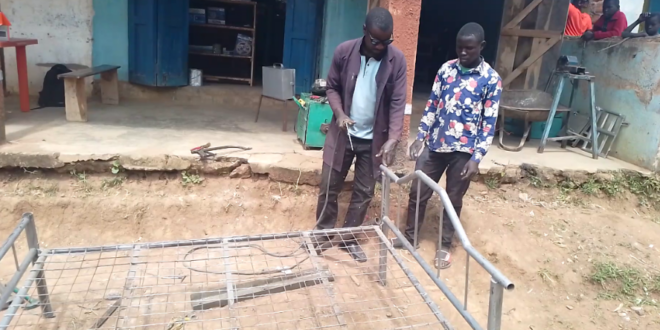
The Iteso community is actively adopting Technical and Vocational Education Training (TVET) courses as a strategic initiative to combat high levels of poverty and unemployment. This initiative aligns with government policies and supports Vision 2030, aiming to equip youths with practical skills for self-sufficiency, in line with the ‘Buy Kenya, Build Kenya’ advocacy.
Initiated in 2019 at the Chamasiri TVET Institute, the institution has witnessed a significant surge in enrollment, growing from 500 to over 2800 students within three years. The diverse array of courses, ranging from artisan levels to diploma programs, does not impose a minimum entry grade, offering an unprecedented opportunity for individuals who may have discontinued their education at the primary level.
Principal Joseph Okumu highlights the success stories of individuals like Adams Okwiti, Mercy Emase, and Eveline Nabwire, showcasing how TVET courses have positively transformed lives in the community. Okwiti, specializing in welding and fabrication, now operates his own company and has become a trainer for the institution. His success has spurred the community’s acceptance of the institution and its courses.
Similarly, Mercy Emase, who completed artisan exams in electrical installation, expresses her renewed aspirations of becoming an engineer. She has already contributed to significant projects, including the installation of electricity in the school administration block and classrooms.
Teso North MP Oku Kaunya emphasizes the importance of technical courses in empowering youth and urges parents and young individuals to seize opportunities provided by local technical institutions. He envisions transforming the Teso community into a hub of skilled individuals, similar to China or Japan, where youths possess diverse skills for global outsourcing.
Teso North NG-CDF has sponsored over 800 students in artisan courses, covering fields such as building and construction, welding, garment making, hairdressing, fashion design, plumbing, and ICT. The goal is to create a model community by 2027, addressing unemployment, drug abuse, and poverty through skill development.
President Dr. William Ruto underscores the significance of TVET in career progression and industrialization, citing the government’s efforts in employing 2000 TVET teachers and providing equipment to enhance young people’s access to knowledge and skills. He envisions TVET as a crucial pathway to address the challenges posed by climate change and integrate innovations into various development sectors.